-
0 Cart: $ 0.00
Here is the best way to check your electric fence to see if its working

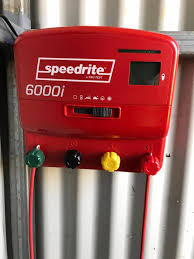
Fence energizers (also known as chargers) vary in their ability to electrify large amounts of fencing and to handle vegetation that is touching the electrified fence wires.

One way to protect buildings from fires due to lightning strikes is to mount the energizer outside of the building on a fence post. Cover the energizer to protect it from the weather. There are many ways you can protect it; this cover makes use of a repurposed plastic barrel.
Chargers come in models that are designed to produce a very short pulse, while others produce a longer pulse. The shorter the pulse, the less likely the electric impulse will be to start a fire.
The power supply can vary also. Some plug into electric outlets, while others run off of batteries, and yet others use solar power. If electric power is available, use this power supply because it is the most reliable and usually the least expensive.
Joules is a method to measure energy units. Basically, the longer the fence, the higher joules you will need in your energizer. Fence length should be measured by multiplying the actual fence length by the number of wires that are electrified. So, if you have one mile of fence and three wires are electrified, you would need an energizer capable of handling three miles of fencing. Work with your local energizer supplier to help determine how many joules you need for your length of fencing and vegetation.
Impedance is a measure of how much resistance is present in an electric fencing system. High impedance energizers work best when resistance is higher from dry grass touching the electric wires, when the soil is very dry, or when the fencing system could benefit from additional ground rods.
Low impedance energizers work best when resistance is low, such as during times of the year when the soil is moist, the grass is green, and there are plenty of ground rods installed. Some energizers are designed to withstand both conditions and are referred to as wide impedance energizers. They tend to combine medium to high voltage with much greater current levels.
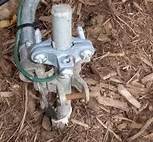
Electric fences need to be “grounded” to properly carry the electric current through the fence wires. To ground an electric fence, you’ll need to drive a minimum of three 6-foot-long galvanized “ground rods” into the ground. Select an area that remains moist throughout the year. Separate ground rods by at least 1½ times their length, then drive each rod at least 6 feet into the ground. Attach the first ground rod to a non-electrified wire, then hook the rods up in sequence.

Ground electric fences using at least three 6 foot copper or galvanized steel ground rods. In this photo, a 6 foot rod is pounded 4 feet into the ground to ensure contact with soil moisture.
Additional rods may be needed for very long stretches of fence. Refer to the manufacturer’s directions that come with your fence charger to determine how to properly ground your specific fence.
Maintain at least 65 feet between the ground rods and any utilities. This is especially important to prevent stray voltage problems with dairy operations. Also be sure to also avoid any underground utilities and fuel storage areas.
If you are not familiar or comfortable doing this type of fence design on your own, contact a professional fence contractor.
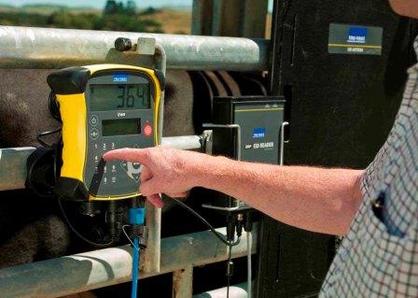
Regardless of the animal species you own or are planning to own, when in the planning phases, it is best to consider where the logical place to establish a livestock handling system would be. For example, a thoughtfully designed handling system would be located where you’d conduct routine or emergency veterinary care for your animals (vaccinations, worming, birthing assistance). The handling system does not need to be fancy or expensive, but it must be functional and established in the right location.
Here are some considerations:
- Locate it near the barns or other farm buildings.
- Ensure good soil drainage.
- Make it accessible for vehicles, especially trucks with trailers to load animals for transport.
- Consider access to electricity for lighting and electric tools, such as clippers.


The first, third, fifth, and seventh wires are electrified in this seven-strand system.
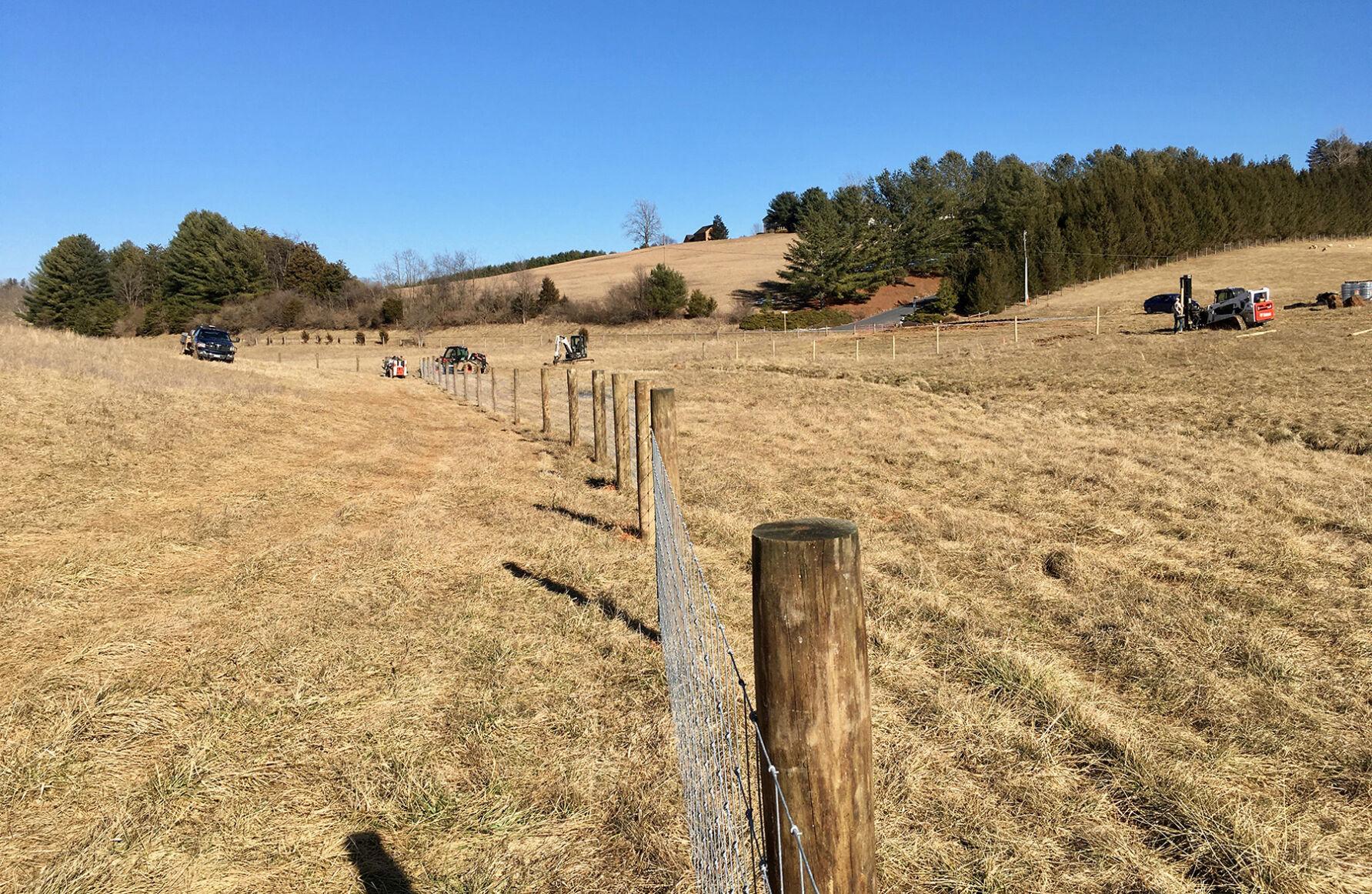
High-tensile is a type of smooth wire fence that is electrified to keep animals contained. It is probably the most widely used type of perimeter fencing. High tensile is very economical and works well for keeping livestock - especially cattle - contained.
Posts are generally placed 20 to 40 feet apart, depending upon terrain, with 4 to 6 wires stapled to the posts for perimeter fencing. Typically, two or three of the wires are electrified using a fence charger. Subdivision or internal fencing might only consist of 1 to 3 wires.
Droppers (battens) are vertical posts that wires run through the wires to add rigidity to the fence when posts are long distances apart or when fencing travels over very uneven ground. They are on the fence but not placed in the ground, with the advantage of being less expensive and less labor than installing an additional fence post. So, for example, you may have the option of placing a post every 20 feet without battens, or you could space out the posts to every 25’ feet with battens in between posts.

Battens come in wooden or plastic versions. Here, you can see the post on the left, with two smaller, wooden battens to the right.
Because of the high tension on the wires, you’ll need to brace the corners and ends to prevent the posts from being pulled out of the ground. You’ll also need to keep weeds and other plant material off the wires to maintain the electrical charge and keep animals properly contained.
Woven wire fencing is another option commonly used in Pennsylvania, but the cost is much higher than high-tensile. This type of fencing is very useful for goats and other animals that are harder to control because it provides a more impenetrable barrier. It is also useful to keep predators, such as coyotes, from entering a pasture.
One electrified wire is often strung on the inside of the fence to keep animals from rubbing on the woven wire or from leaning over the fence to reach grass on the other side.
Post and rail or board fence can also be used, but, like woven wire, it is much more expensive than high-tensile fencing. Usually, the materials used to make these fences are treated to extend the life of the fence. Posts are generally set every eight feet. A single strand of electrified wire is often installed on the inside of the fence to prevent animals from pushing through the fence or damaging fencing when trying to graze on the outside of the pasture.

One of the challenges of electric fencing is protecting the energizer from lightning strikes. Lightning can strike one of the wires and the electricity will travel through the fencing system to the energizer.
Here are a few methods to help prevent burning down a building and prevent damage to the energizer.
- Install the energizer on a post outside of, but near the building with the power supply. Cover the energizer to protect from the weather.
- Use a good quality surge protector. Many times, the power surge that damages the energizer comes from the electrical supply rather than through the fence system.
- Install a lightning choke or lightning coil that will stop the lightning strike from getting to the energizer. The premise of these is that the electricity from the lightning strike travels so quickly into the choke or coil that it “jumps” off the system.
- Connect all the electrified wires to the grounding system or the lightning arrestors.
- Unhook the energizer from the fence system whenever severe storms are forecast.

There are several things to consider when designing your paddocks. You’ll need to think about:
- the lay of the land,
- access to shade and water sources, and
- the placement of gates and lanes/alleys (paths for moving livestock back and forth from handling facilities or buildings).
A good rule of thumb is to use temporary fencing for several years to allow you to determine the best paddock size and layout before installing more permanent subdivision fencing. Keep in mind that staying with temporary fencing indefinitely allows more flexibility in paddock sizes and assures that you have the option to perform machinery operations, such as renovation and hay-baling without permanent fence in the way making these tasks difficult and time consuming.